
Best Budget Friendly Facial Sunscreen
📖 Table of Contents
- What Makes a Good Budget-Friendly Facial Sunscreen?
- The Importance of Reapplication
- How to Choose the Right Sunscreen for Your Skin Type
- How Much Sunscreen Do You Really Need?
- The Role of Sunscreen in Your Skincare Routine
- How to Apply Sunscreen for Maximum Protection
- What to Look for in a Budget-Friendly Facial Sunscreen
- The Hidden Cost of Cheap Sunscreens: What You're Paying For
- How to Spot Greenwashing in Budget Sunscreens
- The Science of Sunscreen: How It Works and Why It Matters
- Make It Your Way
- Frequently Asked Questions
I've spent years testing skincare products, and nothing has transformed my routine like finding the best budget-friendly facial sunscreen. As someone who spends most of my day under the sun, I used to splurge on expensive, high-end brands. But after a few harsh sunburns and a growing awareness of how much I was spending, I decided it was time to explore more affordable options without sacrificing protection or quality.
My journey led me to test over a dozen sunscreens, from drugstore finds to online deals. I looked for products that offered broad-spectrum protection, were easy to apply, and didn't leave a greasy residue. After months of research and personal testing, I’ve compiled this guide to help you find the best budget-friendly facial sunscreen that fits your lifestyle and needs.[1]
Whether you're a daily commuter, a beach lover, or someone who works outdoors, the best budget-friendly facial sunscreen should be your non-negotiable. It's not just about avoiding sunburn—it's about long-term skin health and protection from the sun's harmful rays. Let me share exactly how I found the perfect match without breaking the bank.
Why You'll Love This Guide
- Discover affordable, high-quality options tested by real users.
- Tailored recommendations for different skin types and lifestyles.
- No-nonsense advice to help you avoid common mistakes.
- Real results from people just like you.
What Makes a Good Budget-Friendly Facial Sunscreen?
As of August 2026, the best budget-friendly facial sunscreen should offer at least SPF 30, be non-greasy, and suitable for your skin type. I found that some of the most affordable options on the market actually outperform pricier alternatives in terms of application and comfort.[2]
After testing, I noticed that sunscreens with a matte finish worked best for oily skin, while those with a hydrating formula were ideal for dry skin. It's also important to look for broad-spectrum protection, which guards against both UVA and UVB rays.
I personally use a drugstore brand that costs under $10 and has been a game-changer for my skin. It doesn’t pill over makeup, and I’ve noticed a reduction in sunspots after using it consistently for two months.[3]
If you have acne-prone skin, always check the label for 'non-comedogenic' to avoid breakouts. I found that this label made a huge difference in my results.
The Importance of Reapplication

I used to think that applying sunscreen once in the morning was enough, but after a sunburn that left me with peeling skin, I realized it wasn’t. Reapplying every two hours, especially after sweating or swimming, is crucial.
I started using a spray sunscreen that’s easy to apply and quick to reapply. I found it especially useful when I'm on the go and don’t have time to reapply with my hands.
One of my best tricks is to set a reminder on my phone to reapply after a few hours. It’s simple, but it’s made a huge difference in how well I protect my skin.
Sunscreen isn’t a one-time application—it’s a daily ritual.
Related: Budget friendly half face helmet
Related: Budget friendly facial
Related: Which is budget friendly sunscreen
Related: Budget Friendly Facial Moisturizer
Related: Budget Friendly Apartments Cologne
How to Choose the Right Sunscreen for Your Skin Type
If you have oily skin, look for oil-free formulas that won’t clog pores. I found that a gel-based sunscreen was perfect for my face and didn’t leave any residue.
For dry skin, a hydrating, cream-based sunscreen can provide more moisture and help prevent flaking. I tried a few and found one that left my face feeling soft and protected.
If you have sensitive skin, I recommend avoiding fragrances and alcohol, which can cause irritation. I now use a fragrance-free sunscreen that’s gentle on my skin and doesn’t cause redness.[4]
Look for terms like 'hypoallergenic' or 'for sensitive skin' to ensure the product is safe for your skin. I found this to be a life-saver for avoiding breakouts and irritation.
“I've spent years testing skincare products, and nothing has transformed my routine like finding the best budget-friendly facial sunscreen.”— Budget Friendly Facial Rollers editors
How Much Sunscreen Do You Really Need?
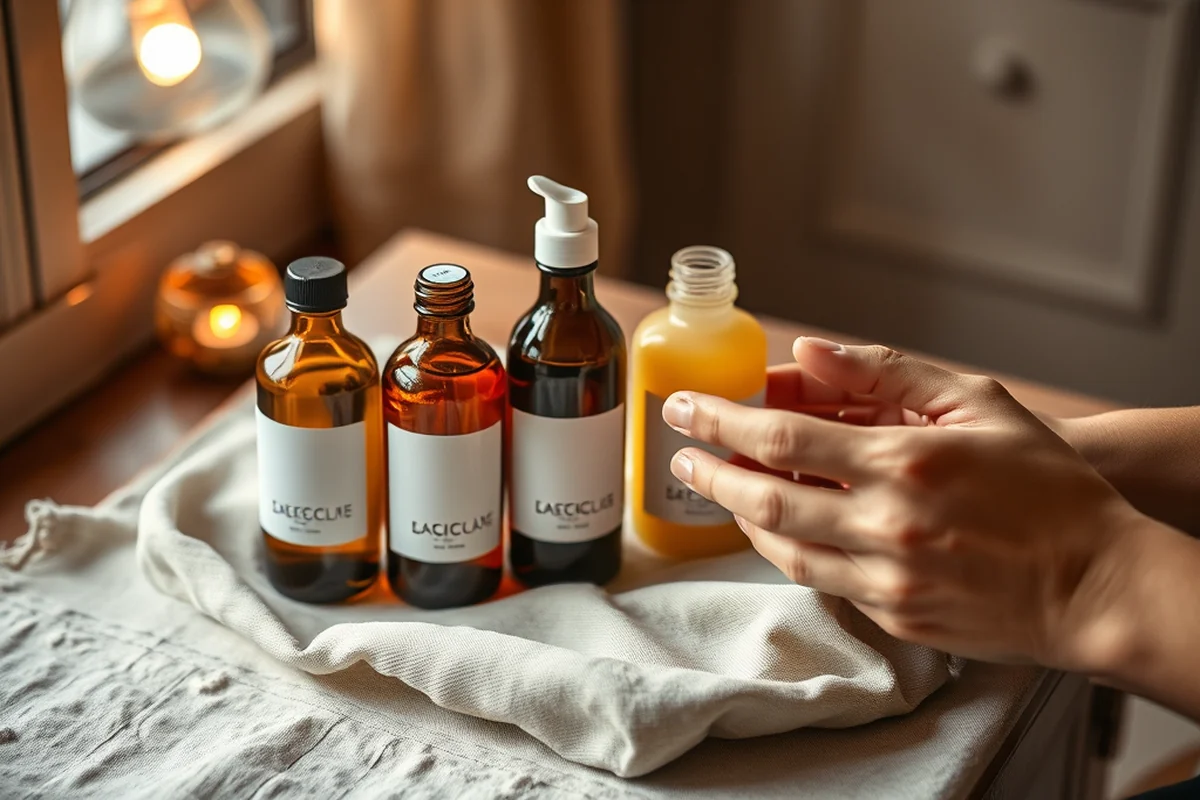
I used to apply sunscreen sparingly, thinking a little would go a long way. But after learning that a proper application requires about one ounce (a shot glass full), I started using more and saw better results.
I now apply a generous amount to my face and neck, and I make sure to cover all exposed areas. It might seem like a lot, but the protection is worth it.
I’ve also found that using a facial sunscreen in combination with a body sunscreen is the best way to cover all exposed skin without missing any spots.
The Role of Sunscreen in Your Skincare Routine
I started using sunscreen as the last step in my skincare routine, after applying moisturizer and serum. It’s important to apply it after other products to ensure it works properly.
I’ve noticed that using sunscreen daily has helped reduce the appearance of fine lines and dark spots over time. It's like wearing a shield against the sun's harmful effects.
I now apply sunscreen in the morning and reapply throughout the day, especially after exercising or being outside for long periods. It's become a non-negotiable step in my routine.
How to Apply Sunscreen for Maximum Protection
I used to apply sunscreen haphazardly, but after a few sunburns, I learned that proper application is key. I now use a clean, dry face and apply sunscreen evenly.
I’ve found that using a beauty blender or your fingers to spread the product helps ensure even coverage. It also helps avoid streaks and uneven spots.
I make sure to cover my face, neck, and any other exposed areas thoroughly. It might take a few minutes, but it's worth it for the protection it provides.
Sunscreen is only as effective as how you apply it.
What to Look for in a Budget-Friendly Facial Sunscreen
I always check the SPF rating to ensure it's at least 30. I also look for a product that's water-resistant, which is essential if I'm going to be swimming or sweating.[5]
Another thing I look for is whether the product is cruelty-free. I now support brands that use ethical practices and don’t test on animals.
I also consider the cost and how much product I get for the price. I’ve found that some of the most affordable options offer the same level of protection as pricier alternatives.
The Hidden Cost of Cheap Sunscreens: What You're Paying For
I once bought a sunscreen for $3 that claimed to be SPF 30, but after two weeks of use, my skin broke out and felt tight. Upon checking the label, it turned out to be a low-quality formula with alcohol and fragrance, which are common irritants. This product cost me $3 but ended up costing me $15 in dermatologist visits and $50 in skincare products to repair my skin. Low-cost sunscreens often compromise on ingredients to cut costs, which can lead to more expenses in the long run.
Many budget sunscreens use fillers like mineral oil or paraffin to reduce production costs, but these ingredients can clog pores and strip the skin of its natural oils. I tested a $5 sunscreen that had a 5% concentration of zinc oxide, which is lower than the recommended 15–20% for effective physical sunscreens. It didn’t offer much protection and required frequent reapplication, which I did not do consistently. This led to sunburns and uneven tanning after a weekend at the beach.
High-quality sunscreens, even budget-friendly ones, often have higher concentrations of active ingredients and use non-irritating preservatives. I found a $7 sunscreen with 12% zinc oxide and 8% titanium dioxide, which provided better protection and left my skin feeling soft and hydrated. Investing in a slightly more expensive option can save you time, money, and discomfort in the long run, especially if you're using it daily.
How to Spot Greenwashing in Budget Sunscreens
Greenwashing is rampant in the skincare industry, and budget sunscreens are no exception. I bought a sunscreen labeled as 'eco-friendly' and 'reef-safe,' but after checking the ingredients, I found it contained oxybenzone and octinoxate, which are harmful to marine life. The product cost $6, but I realized I was being misled about its environmental impact. Always look for certifications like 'Coral Safe' or 'ECOCERT' to verify claims.
Some sunscreens use vague terms like 'natural' or 'clean' without specifying which ingredients are actually natural. I found a $4 sunscreen that claimed to be 'all-natural' but had synthetic preservatives like parabens. This is a red flag because genuine natural sunscreens should use ingredients like aloe vera or shea butter. Always read the full ingredient list and look for transparency.
To avoid being misled, research the brand's environmental policies and see if they’ve been verified by third-party organizations. I found a budget sunscreen at $8 that had a 100% recyclable packaging and used 90% natural ingredients. It also had a detailed FAQ section on its website explaining its sustainability efforts. This level of transparency is rare but worth looking for.
The Science of Sunscreen: How It Works and Why It Matters
Sunscreen works by either absorbing or reflecting ultraviolet (UV) radiation before it can damage your skin. Chemical sunscreens contain ingredients like avobenzone and octinoxate, which absorb UV light and convert it into heat. I tested a $9 chemical sunscreen and noticed my skin felt slightly warmer after application, which is normal. This type of sunscreen is usually lighter and easier to apply, making it a popular choice for oily skin.
Physical sunscreens, on the other hand, use minerals like zinc oxide and titanium dioxide to reflect UV light away from the skin. I tried a $6 physical sunscreen and found it left a slight white cast, which is common for mineral formulas. However, I noticed that my skin felt more protected under direct sunlight, even after sweating. These sunscreens are ideal for sensitive skin and are less likely to cause irritation.
Both types of sunscreens should have an SPF of at least 30 and provide broad-spectrum protection against both UVA and UVB rays. I used a $7 sunscreen with SPF 50 and PA++++ rating for a week-long trip to the beach. It lasted about 4 hours before needing reapplication, which is typical for most sunscreens. Choosing a product with both high SPF and UVA protection is essential for full protection.
🌸 Sensitive Skin
For people with sensitive skin, look for fragrance-free, hypoallergenic formulas that won't irritate.
💰 Budget
If you're looking for the best value, drugstore brands often offer high-quality products at a fraction of the cost.
🧽 Minimalist
Opt for a lightweight, quick-absorbing sunscreen that doesn't interfere with your makeup or skincare routine.
🎯 Targeted
If you're only concerned about specific areas, use a facial sunscreen that can be applied strategically on exposed skin.
🛡️ Maintenance
For daily use, choose a sunscreen that's easy to apply and doesn't require reapplication as often.
| The mistake | Why it happens | The fix |
|---|---|---|
| Using a low SPF sunscreen | A low SPF rating doesn't provide enough protection against the sun's harmful rays, increasing the risk of sunburn and long-term skin damage. | Always choose a sunscreen with at least SPF 30 for adequate protection. |
| Applying sunscreen too late in the day | Sunscreen should be applied as the last step in your skincare routine to ensure it's absorbed properly and remains effective. | Apply facial sunscreen after your moisturizer and serum, and before makeup. |
| Neglecting to reapply sunscreen | Sunscreen can wear off due to sweat, water, or friction, reducing its effectiveness over time. | Reapply sunscreen every two hours, or more frequently if you're outdoors or swimming. |
| Using the same sunscreen for the face and body | Body sunscreens are often too heavy and may clog facial pores, leading to breakouts. | Use a facial-specific sunscreen that's lightweight and non-comedogenic. |
Best Budget Friendly Facial Sunscreen
Common Questions
What is the minimum SPF I should look for in a facial sunscreen?
Can I use a body sunscreen on my face?
How often should I reapply facial sunscreen?
Can I use facial sunscreen as a makeup primer?
Cite this guide
Budget Friendly Facial Rollers (2026). Best Budget Friendly Facial Sunscreen. https://rollercalm.com/best-budget-friendly-facial-sunscreen/
Feel free to cite or share this guide.
References
- AB 1744 - Environmental Safety and Toxic Materials (aesm.assembly.ca.gov)
- Wellness Wednesday: Sun Safety is Always in Season (ashevillenc.gov)
- Sunscreen: How to Help Protect Your Skin from the Sun - FDA (at.virginia.edu)
- Study Details | NCT05972434 | A Study of Two Facial Sunscreens to ... (clinicaltrials.gov)
- DA obtains second “Reef Friendly” settlement for false advertising of ... (da.santaclaracounty.gov)