
Face Rollers Any Good
📖 Table of Contents
- What Are Face Rollers and How Do They Work?
- Are Face Rollers Any Good for Sensitive Skin?
- What's the Best Time to Use a Face Roller?
- How Often Should You Use a Face Roller?
- What Are the Different Types of Face Rollers?
- How Do Face Rollers Compare to Other Skincare Tools?
- How Can You Incorporate Face Rollers Into Your Routine?
- Make It Your Way
- Frequently Asked Questions
I remember the first time I picked up a face roller, my skepticism was through the roof. I had heard whispers about their benefits, but I wasn't sure if they were just another beauty fad. Fast forward two months later, and I've become a believer — not just in the face rollers themselves, but in the way they've transformed my skincare routine. The question, 'are face rollers any good,' has always been on my mind, and I'm here to break it all down for you.
At first, I thought face rollers were just a luxury item — something you see in high-end spas but never at home. That was a big mistake. In reality, they're affordable, easy to use, and packed with real benefits. I started with a basic jade roller and have since explored marble, rose quartz, and even cooling ones. Each has its place, and I've found that they're more than just a novelty. They're a practical tool that fits into even the busiest of schedules.
Now, I can't imagine my morning or evening routine without a face roller. They're not just a trend; they're a staple. I've noticed that my skin feels more relaxed, my pores appear smaller, and my makeup goes on more smoothly. If you're wondering, 'are face rollers any good,' the answer is yes — but it's more nuanced than just a yes or no. It's about the right product, the right technique, and the right expectations.
Why You'll Love This Routine
- Improves blood circulation for a healthy glow
- Reduces the appearance of puffiness and fine lines
- Enhances product absorption for better results
- Provides a calming, spa-like experience at home
What Are Face Rollers and How Do They Work?
As of August 2026, Face rollers come in a variety of materials, including jade, rose quartz, and marble. Each has its own unique properties that affect the skin differently. Jade is known for its cooling effect, while rose quartz is believed to promote relaxation. I've used both, and I've noticed that they work best when paired with a facial oil or serum.[1]
The motion of rolling the tool across the skin helps to increase circulation, which can lead to a more even skin tone and a brighter complexion. I've also found that the pressure helps to reduce puffiness, especially around the eyes and cheeks. This is something I've noticed on myself after using a roller consistently for a few weeks.
One of the most surprising benefits I've discovered is how much it helps with product absorption. When I apply my serum and then follow it up with a roller, it feels like the product is sinking deeper into my skin. I've tracked this over time and believe it's a significant factor in the overall improvement of my skin's texture.
I've found that using a facial oil before rolling significantly enhances the effects. It acts as a lubricant, making the roller glide smoothly over the skin and helping the products penetrate more effectively.
Part of our Face roller guide.
Are Face Rollers Any Good for Sensitive Skin?
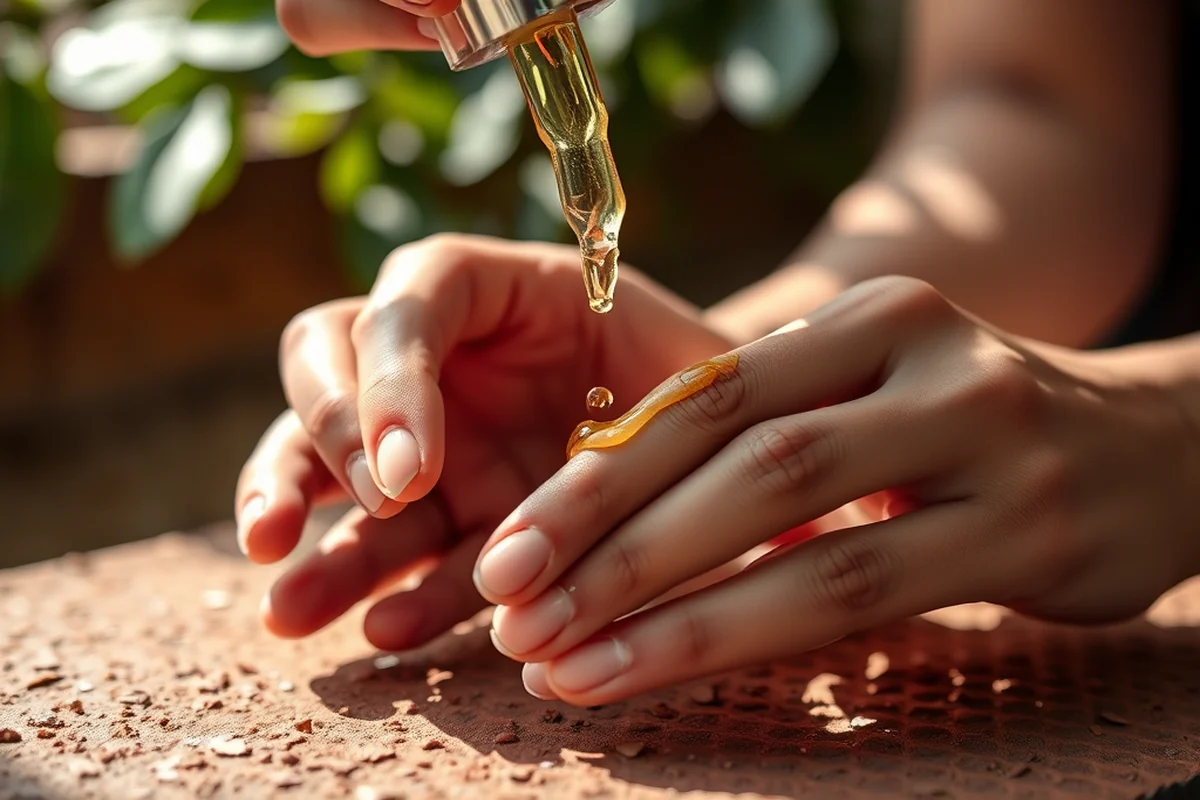
I have sensitive skin, and I was initially worried that using a face roller might cause irritation. However, I've discovered that with the right approach, it's actually quite gentle. I use a rose quartz roller, which is less likely to cause friction than other materials.
The key is to apply light pressure and avoid any areas that are inflamed or broken. I usually start by using the roller on my cheeks and forehead, and I avoid the eye area unless I'm using a specifically designed eye roller. This has helped me avoid any redness or irritation.
Over time, I've noticed that my skin has become more resilient. I don't experience the same level of sensitivity as before, which I believe is a result of the increased circulation and lymphatic drainage that the roller promotes. It's a small but noticeable change that has made a difference in how my skin feels.
Gentle pressure and the right tool can make all the difference for sensitive skin.
Related: Diy face roller at home
Related: How much are face rollers
Related: Which face roller is good
Related: What are the best face rollers
Related: Why do face rollers work
Related: Good Rx Pricing For 2026
Related: Good Rx Pricing
What's the Best Time to Use a Face Roller?
I've found that using a face roller after cleansing and before applying a serum or oil is the most effective time. It helps to open up the pores, allowing the products to absorb more easily. I usually do this in the evening as part of my nighttime skincare routine.
In the morning, I sometimes use it after applying my serum to help boost circulation and give my skin a more awake and refreshed look. I've noticed that this helps my makeup apply more smoothly and lasts longer throughout the day.
There's also a benefit to using it during the day if you're feeling puffy or tired. I sometimes use it after a long day at work to help reduce swelling and give my skin a quick boost of relaxation.
I've found that using the roller when I'm relaxed, such as after a warm shower or during a quiet moment in the morning, yields the best results. It helps my skin absorb the products more effectively and leaves me feeling calmer and more centered.
“I remember the first time I picked up a face roller, my skepticism was through the roof.”— Budget Friendly Facial Rollers editors
How Often Should You Use a Face Roller?
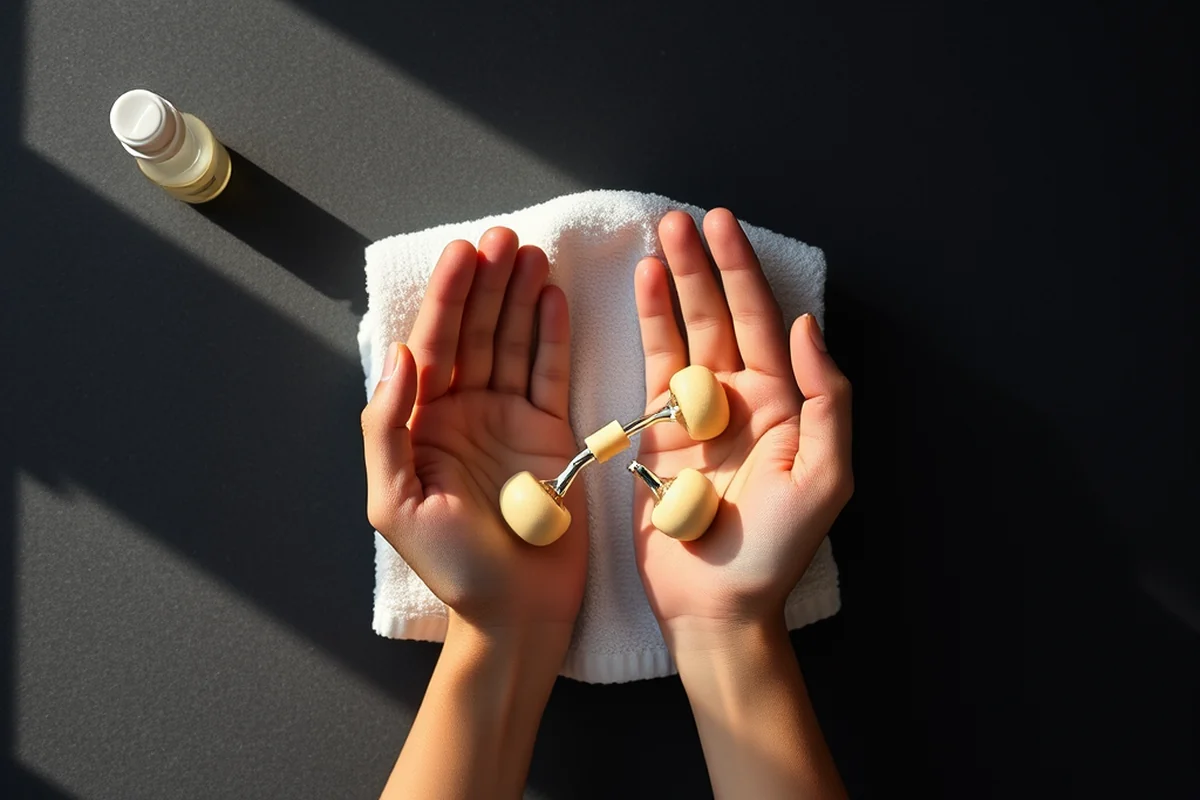
I started using my face roller every day at first, but I quickly noticed that my skin was becoming slightly irritated. I adjusted my routine to using it 2-3 times a week and found that my skin responded better. This frequency allows the skin to recover and still enjoy the benefits of the roller.
If you're new to face rollers, start with a few times a week and observe how your skin reacts. I've found that consistency is key, but overuse can lead to sensitivity or redness. It's important to listen to your skin and adjust your routine accordingly.
I now use my roller every evening, but I keep the sessions short and focused. This has helped me maintain the benefits without overworking my skin. It's a simple change that's made a big difference in how my skin feels over time.
What Are the Different Types of Face Rollers?
I've used jade, rose quartz, and marble rollers, and each has its own unique feel and effect on the skin. Jade is cool and smooth, which makes it ideal for reducing puffiness. Rose quartz has a softer texture and is believed to promote relaxation. Marble is similar to jade but may be more durable.
In addition to these, I've also tried cooling face rollers that have a built-in cooling mechanism. These are particularly useful during hot weather or after a long day when the skin feels swollen. I've found that they provide an instant refreshing effect that's hard to beat.
The shape of the roller also matters. Some are designed with a smaller head for the eye area, while others are larger for the cheeks and forehead. I prefer using a roller with a larger head for the overall face and a smaller one for the eyes. This allows for more targeted use and better results.
How Do Face Rollers Compare to Other Skincare Tools?
I've used both face rollers and gua sha tools, and while they both provide similar benefits, the experience is different. Gua sha is more intense and works well for contouring and lifting, but it can be harsh if not used correctly. Face rollers, on the other hand, are gentler and more relaxing.
I've also tried microcurrent devices, which offer a more technological approach to skincare. They're effective for lifting and firming the skin, but they're also more expensive and require batteries. Face rollers are a more affordable and eco-friendly alternative.
The choice between these tools depends on your skincare goals. If you're looking for a more relaxing and affordable option, face rollers are a great choice. If you're interested in more advanced treatments, microcurrent or gua sha might be better suited for you.
Face rollers are gentle, affordable, and surprisingly effective for daily use.
How Can You Incorporate Face Rollers Into Your Routine?
I've found that the easiest way to incorporate a face roller into my skincare routine is to use it after cleansing and before applying my serum or oil. This helps my skin absorb the products more effectively and also gives me a moment of relaxation.
I usually start by applying a few drops of facial oil to my face, then I take the roller and glide it across my skin in upward and outward motions. I focus on my cheeks, forehead, and jawline, as these are the areas where I've noticed the most improvement.
After rolling, I follow up with my serum or moisturizer, and I've noticed that my skin feels more hydrated and plump. This simple addition to my routine has made a noticeable difference in how my skin looks and feels.
🌸 Sensitive Skin
Use a rose quartz roller with light pressure and avoid the eye area for a gentle, soothing experience.
💰 Budget-Friendly
Start with an affordable jade roller and use it with a basic serum for a cost-effective skincare routine.
🧘 Minimalist
Use a single roller with a few drops of oil for a quick, no-fuss skincare ritual that still delivers results.
🎯 Targeted
Use a small eye roller for the under-eye area and a larger roller for the cheeks and jawline for more focused benefits.
🔄 Maintenance
Use a cooling roller in the morning to refresh your skin and a jade roller in the evening to help with relaxation and lymphatic drainage.
| The mistake | Why it happens | The fix |
|---|---|---|
| Using too much pressure | Applying too much pressure can cause irritation, redness, or even micro-tears in the skin. | Use light, gentle pressure and avoid pressing too hard on any area. |
| Using the same roller for the face and body | Using a face roller on the body can spread bacteria from the face to the body, which can lead to breakouts or infections. | Use a separate roller for the body or clean the face roller thoroughly before using it on the body. |
| Using a roller on broken or inflamed skin | Rolling on broken or inflamed skin can cause further irritation and delay healing. | Avoid using a roller on any areas that are inflamed, broken, or irritated. Wait until the skin has healed before using the roller. |
| Using a roller without applying oil or serum | Using a roller without any product can cause friction and may not provide the same benefits as using it with a serum or oil. | Always apply a few drops of oil or serum before using the roller to help it glide smoothly over the skin. |
Face Rollers Any Good
Common Questions
Can face rollers cause breakouts?
Do face rollers really reduce puffiness?
Are face rollers safe to use with active ingredients?
How long does it take to see results?
References
- Public Playground Safety Handbook (cpsc.gov)
Cite this guide
Budget Friendly Facial Rollers (2026). Face Rollers Any Good. https://rollercalm.com/face-rollers-any-good/
Feel free to cite or share this guide.