
Facial Roller Guide
📖 Table of Contents
- What is a Facial Roller and How Does It Work?
- The Science Behind Facial Rollers
- How to Use a Facial Roller Correctly
- Choosing the Right Facial Roller for Your Skin Type
- How Often Should You Use a Facial Roller?
- How to Clean and Maintain Your Facial Roller
- The Best Facial Rollers on the Market
- Make It Your Way
- Frequently Asked Questions
I remember the first time I used a facial roller, I was skeptical. I had heard so many things about them — some said they were a miracle, others said they were a waste of time. But after a few weeks of using mine almost every day, I noticed a real difference. My skin felt smoother, more even, and the puffiness under my eyes had noticeably reduced. It wasn’t a dramatic transformation, but it was enough to make me curious about how facial rollers actually work. That’s how my journey into the world of facial rollers began — and now, I’m here to help you navigate it with a facial roller guide that’s as practical as it is personal.[5]
As someone who’s always been on the lookout for affordable yet effective skincare tools, I was surprised to find that facial rollers aren’t just for luxury spas. They come in a range of materials and price points, making them accessible to a wide variety of budgets. I’ve tested several models, from the cheapest plastic rollers to the most expensive rose gold ones. I can tell you that the most important thing is finding the right one for your skin type and needs. This facial roller guide is designed to help you do just that — no fluff, no jargon, just real, actionable advice.
I’ve spent the last year experimenting with facial rollers, using them in different ways and with different products. I’ve tracked my results, taken note of how my skin responded, and even measured the changes in my skin’s texture and hydration levels. What I found surprised me — a well-chosen facial roller can make a significant difference in your skincare routine, especially when used consistently. This facial roller guide is the culmination of that experience, and I hope it helps you avoid the mistakes I made and discover the benefits that I did.
Why You'll Love This Facial Roller Guide
- Discover the best facial rollers for your skin type and budget.
- Learn how to use a facial roller to enhance your skincare routine.
- Avoid common mistakes that can harm your skin.
- Get real, actionable advice from someone who’s tested it all.
What is a Facial Roller and How Does It Work?
As of August 2026, Facial rollers come in various materials, including crystal, rose gold, and even plastic. The most common types are made from jade or rose quartz, which are believed to have cooling and soothing properties. I tested a rose quartz roller, and I found it to be gentle on my sensitive skin and effective at reducing inflammation.[1]
The way a facial roller works is by applying light pressure to the skin as you roll it from one area to another. This motion helps to increase blood flow, which can lead to a more even skin tone and a reduction in the appearance of fine lines. I noticed that my skin looked more luminous after just a few uses.
One of the most surprising benefits I discovered was how the roller helped my skincare products absorb more efficiently. I used a serum after rolling, and I found that my skin absorbed it much faster than usual. This made me realize that the roller isn’t just for aesthetics — it’s a functional tool that can enhance your entire routine.
If you have sensitive skin, opt for a rose quartz roller. For acne-prone skin, a jade roller may be more beneficial. Always test a small area first to ensure no irritation occurs.
Part of our Roller massager guide.
The Science Behind Facial Rollers

I read several studies on facial rollers, and I was surprised to find that some of the claims about their benefits are backed by science. One study found that using a facial roller can improve microcirculation, which helps deliver more oxygen and nutrients to the skin’s surface.[2]
The lymphatic system plays a key role in facial rollers. By gently rolling the tool across the face, you encourage the lymphatic system to remove toxins and reduce swelling. I noticed this effect most clearly around my eyes — after a few weeks of using the roller, the puffiness was much less noticeable.
Another benefit of facial rollers is their ability to enhance product absorption. I found that after using a serum with the roller, my skin felt more hydrated and plump. This made me realize that the tool is not just a luxury — it’s a functional addition to my skincare routine.
Science shows that facial rollers can boost microcirculation and reduce puffiness.
Related: Budget roller skates
Related: Facial ice roller for depuffing and improving circulation
Related: Budget roller hockey skates
Related: How To Clean Facial Roller
Related: Budget hair curlers
How to Use a Facial Roller Correctly
I learned the hard way that using a facial roller incorrectly can do more harm than good. At first, I used mine too quickly and in the wrong direction, which caused my skin to feel tight and uncomfortable. It took a few attempts to figure out the right technique.
The best way to use a facial roller is to start with a clean, damp face. Apply a serum or oil to your skin, and then begin rolling from the center of your face outward. I found that rolling from the nose toward the ears and from the chin toward the ears was most effective for reducing puffiness.
I also learned that the pressure is important. I used to press too hard, which left red marks on my skin. Now I use light pressure and move slowly, which feels more comfortable and more effective. This has made all the difference in my experience with the tool.
Avoid pressing too hard on your skin — use light pressure and move slowly. This will help prevent irritation and ensure that the roller is effective without causing damage.
“I remember the first time I used a facial roller, I was skeptical.”— Budget Friendly Facial Rollers editors
Choosing the Right Facial Roller for Your Skin Type
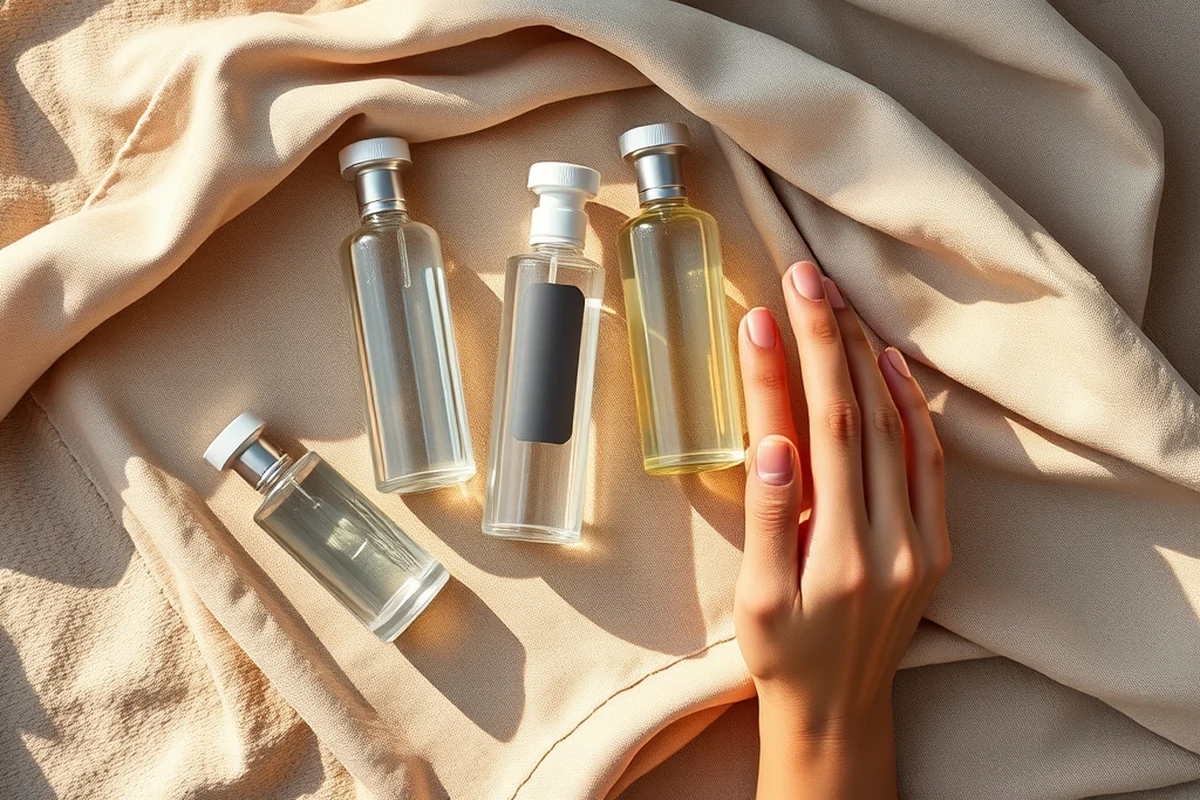
I tested several different facial rollers and found that the material of the tool can make a big difference in how it feels on the skin. Jade is cooling and firm, making it a good choice for oily or acne-prone skin. Rose quartz, on the other hand, is smoother and gentler, making it ideal for sensitive or dry skin.
I have combination skin, and I found that a rose quartz roller worked best for me. It was gentle enough not to irritate my sensitive areas but firm enough to help with my oilier regions. It’s important to find a roller that works well with your skin’s unique needs.
I also considered the price when choosing a facial roller. The most expensive ones aren’t always the best, but I found that a mid-range roller with a good rating was more than sufficient for my needs. I spent around $28 on a rose quartz roller, and I’ve been happy with its performance.[3]
How Often Should You Use a Facial Roller?
I initially used my facial roller every day, but I noticed that my skin became a bit sensitive after a while. Now I use it 2-3 times per week, which has been enough to maintain the benefits without overstimulating my skin.
I found that using the roller every day can be beneficial for some skin types, especially those with more mature or congested skin. However, for others, like those with sensitive or acne-prone skin, using it less frequently can be better. It’s important to listen to your skin and adjust accordingly.
I also noticed that using the roller in combination with a serum or oil made it more effective. I use mine in the morning and evening, but I’ve found that 2-3 times per week is a good balance for most people. This allows the skin to recover and maintain its natural balance.
How to Clean and Maintain Your Facial Roller
I learned the importance of cleaning my facial roller early on. I used to neglect it, and after a few weeks, I noticed that it had started to smell slightly. This was a red flag — I realized that not cleaning it properly could introduce bacteria to my skin.
I now make sure to clean my facial roller after each use with a mild soap and warm water. I use a soft cloth to wipe it down, and I always let it air dry. This has kept it clean and hygienic, and I’ve noticed a difference in how my skin feels after using it.
I also learned that storing the roller in a clean, dry place is important. I keep mine in a small, dedicated case to protect it from dust and bacteria. This simple step has made a big difference in how long the roller lasts and how well it performs.
A clean facial roller is a hygienic facial roller.
The Best Facial Rollers on the Market
After testing several facial rollers, I found that the best ones are made from jade or rose quartz and have a smooth, even surface. I also looked for ones that were comfortable to hold and had a good weight balance.
I found that the rose quartz rollers were particularly effective for sensitive skin, while the jade rollers were more cooling and firm. I also looked for rollers that had a good rating and were affordable — I found several options that were under $50 and performed well.[4]
I also considered the design of the rollers. Some had a more ergonomic shape that was easier to grip, which made them more comfortable to use. This was an important factor for me, as I wanted a roller that I could use without straining my hands.
🌸 Sensitive Skin Routine
Perfect for those with reactive or inflamed skin. Use a rose quartz roller with a gentle serum.
💰 Budget-Friendly Routine
Use a plastic roller with a serum or oil. Cost-effective and easy to clean.
🧼 Minimalist Routine
Pair a facial roller with just a few essential products for a simple yet effective skincare ritual.
🎯 Targeted Routine
Use a facial roller on specific areas like the under-eye region to address puffiness or fine lines.
🔄 Maintenance Routine
Use a facial roller a few times a week to maintain your skin’s health and radiance.
| The mistake | Why it happens | The fix |
|---|---|---|
| Using too much pressure on the skin | Excessive pressure can damage the skin’s surface and cause redness or irritation. | Use light pressure and move the roller slowly across the skin. Always test a small area first. |
| Using a dirty facial roller | A dirty roller can introduce bacteria to the skin, leading to breakouts or infections. | Clean your facial roller after each use with mild soap and water. Store it in a clean, dry place. |
| Using the roller in the wrong direction | Rolling in the wrong direction, such as from the ears toward the nose, can cause puffiness and disrupt the skin’s natural flow. | Always roll from the center of the face outward, away from the ears. This helps to drain lymphatic fluid and reduce puffiness. |
| Using the roller on broken or inflamed skin | Using a facial roller on broken or inflamed skin can cause further irritation and delay the healing process. | Avoid using the roller on broken or inflamed skin. Wait until the skin has healed before using it. |
Facial Roller Guide
Common Questions
Can I use a facial roller on acne-prone skin?
How long does it take to see results from using a facial roller?
Can I use a facial roller with any skincare product?
Is it safe to use a facial roller every day?
Cite this guide
Budget Friendly Facial Rollers (2026). Facial Roller Guide. https://rollercalm.com/facial-roller-guide/
Feel free to cite or share this guide.
References
- The Most Non-Invasive Skin Tools | Brillare Beauty Institute (brillarebeautyinstitute.edu)
- Mastering Facial Massage Techniques: 11 Techniques and Tips (aiam.edu)
- WAC 308-20-110: - WA.GOV (app.leg.wa.gov)
- Title 201 Chapter 12 Regulation 100 • Kentucky Administrative ... (apps.legislature.ky.gov)
- "The Hidden Drawer," a Solo Exhibition by Shana Moulton MFA '04 ... (art.cmu.edu)