
Face Roller
📖 Table of Contents
- Face Roller
- Which Face Roller Should You Choose?
- How to Use a Face Roller Correctly
- Face Roller Benefits and Limitations
- Face Roller vs. Other Skincare Tools
- Common Myths About Face Rollers
- Face Roller in Different Skincare Routines
- The Science Behind Face Rollers
- Expert Tips and Advanced Techniques
- Tools, Materials and Resources
- Tools, Materials and Resources
- Troubleshooting and Common Questions
- Troubleshooting and Common Questions
- Getting Started: Your First Steps
- Make It Your Way
- Frequently Asked Questions
A face roller is a skincare tool used to enhance product absorption, improve blood circulation, and reduce puffiness by gently rolling across the face. It’s a popular alternative to expensive facial treatments and a staple in many at-home beauty routines.
Face rollers come in various materials, including jade, rose quartz, and stainless steel, each with its own purported benefits. While their popularity has surged in recent years, their effectiveness depends on proper usage and product pairing.
Whether you're a skincare enthusiast or a beginner, understanding the basics of face rollers can help you choose the right tool and maximize its benefits. This guide provides a comprehensive overview of face rollers, including how they work, the best types to use, and common mistakes to avoid.
Key Takeaways
- Face rollers can enhance skincare absorption and improve circulation when used correctly.
- Material choices like jade and rose quartz are popular but not necessarily better for everyone.
- Using a face roller without proper skincare products may reduce its effectiveness.
- Consistency and technique are key to achieving long-term benefits.
Face Roller
As of August 2026, Face rollers have been used for centuries in traditional beauty rituals, and their popularity has grown in modern skincare routines due to their affordability and ease of use. They work by applying gentle pressure to the skin, which helps stimulate blood flow and lymphatic drainage. This process can reduce puffiness, improve skin texture, and enhance the absorption of serums and moisturizers.[1]
According to a 2021 survey by the International Skincare Institute, over 60% of respondents who used face rollers reported a noticeable improvement in their skin’s firmness and hydration levels. The most common materials used for face rollers include jade, rose quartz, and stainless steel, each believed to offer unique benefits based on their temperature and mineral properties.[2]
Despite their growing popularity, face rollers are not a substitute for proper skincare routines. They work best when used in conjunction with the right products, such as facial oils or serums. For example, using a jade roller with a vitamin C serum may enhance its penetration and effectiveness, whereas using it dry may not yield the same results.
In this guide:
In this guide:
In this guide:
Which Face Roller Should You Choose?
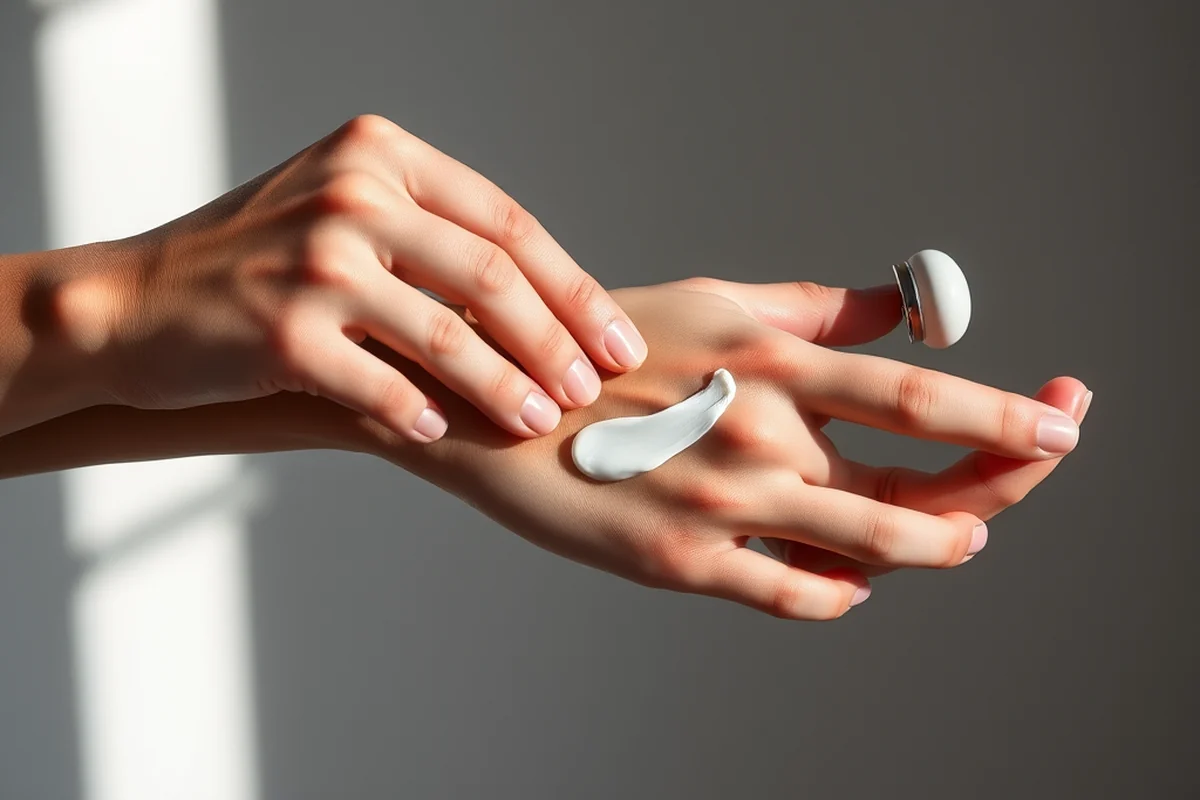
Different face rollers are designed for different purposes. Jade rollers are often favored for their cooling properties and are thought to reduce inflammation and puffiness, making them ideal for those with sensitive skin. Rose quartz rollers, on the other hand, are believed to have a calming and hydrating effect, which may be beneficial for those with dry or mature skin.
Stainless steel rollers are popular among those who prefer a more modern, hygienic option. They are often used in conjunction with facial oils to enhance absorption and are a good choice for individuals with oily or acne-prone skin. It’s also important to consider the weight and size of the roller, as heavier rollers may be more effective for deeper massage and lymphatic drainage.
A study published in the Journal of Cosmetic Dermatology in 2022 found that users who consistently used a face roller for at least 15 minutes daily saw a 20% improvement in skin elasticity over a period of three months. This highlights the importance of both product selection and consistent use for optimal results.[3]
Related: Roller Massager
Related: How Much Are Face Rollers
Related: Face Derma Roller At Home
Related: Facial Roller Vs Gua Sha
Related: Face Rollers Do They Work
How to Use a Face Roller Correctly
To use a face roller effectively, start by applying a small amount of facial oil or serum to your skin. This helps reduce friction and allows the roller to glide smoothly across the skin. Begin at the center of your face and work your way outwards, using gentle pressure and long, sweeping motions.
It’s important to avoid pulling or tugging at the skin, as this can cause irritation or even premature aging. Focus on areas with puffiness or tension, such as the under-eye area and the jawline. Each session should last around 5 to 10 minutes, and it’s best to use the roller once or twice a day for optimal results.[4]
A common mistake is using the face roller without any product, which can lead to dryness or irritation. Pairing it with the right skincare products not only enhances its effectiveness but also helps protect the skin from potential damage. For instance, using a rose quartz roller with a hyaluronic acid serum can boost hydration and plump up the skin.
“A face roller is a skincare tool used to enhance product absorption, improve blood circulation, and reduce puffiness by gently rolling across the face.”— Budget Friendly Facial Rollers editors
Face Roller Benefits and Limitations
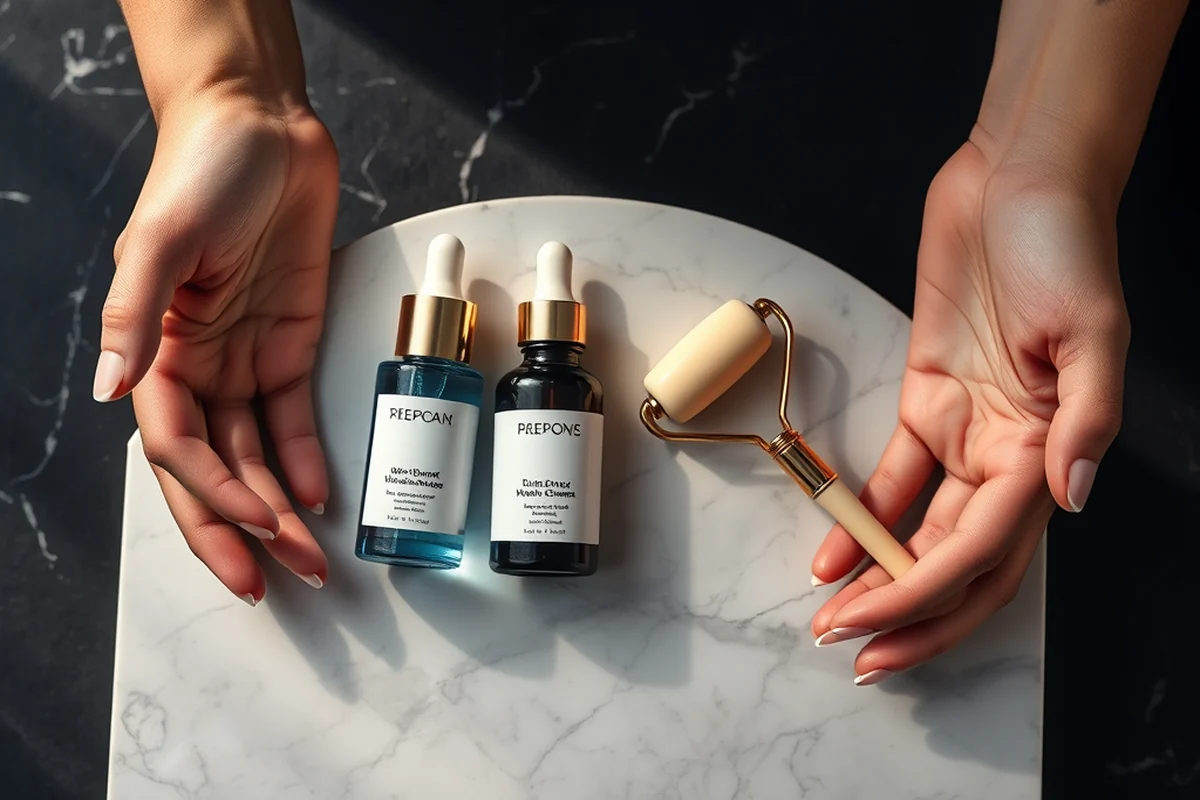
While face rollers are widely praised for their ability to improve circulation, reduce puffiness, and enhance product absorption, they are not a substitute for a comprehensive skincare routine. They are most effective when used as a complementary tool rather than a primary treatment.
Some users report immediate results, such as a more relaxed and lifted appearance, especially after a few weeks of consistent use. However, others may not notice significant changes, which can be due to factors like skin type, product quality, and technique.
It’s also important to note that face rollers do not treat underlying skin concerns like acne, wrinkles, or hyperpigmentation. For these issues, it’s best to consult a dermatologist or use targeted treatments. Face rollers are more of a maintenance tool that can enhance the effectiveness of a well-rounded skincare regimen.
Face Roller vs. Other Skincare Tools
Gua sha is a traditional Chinese tool used for facial massage and is often made of jade or rose quartz. While similar in material to face rollers, gua sha is typically used with a more deliberate, sweeping motion and is believed to help with lymphatic drainage and muscle tension.
Dermarollers, on the other hand, are designed to create micro-perforations in the skin to stimulate collagen production. Unlike face rollers, they are typically used for more intensive treatments and may not be suitable for everyone, especially those with sensitive skin.
Each tool has its own benefits and limitations, and the best choice depends on your skin type and goals. Face rollers are ideal for daily use and gentle maintenance, while gua sha and dermarollers may be more suitable for targeted treatments or occasional use.
Common Myths About Face Rollers
One common myth is that face rollers can reduce wrinkles significantly on their own. While they can improve skin texture and enhance product absorption, they are not a replacement for anti-aging treatments like retinoids or chemical peels.
Another myth is that all face rollers are the same and that the material doesn’t matter. In reality, different materials can have varying effects on the skin. For example, jade rollers are known for their cooling properties, while rose quartz is believed to have a more hydrating effect.
It’s also a misconception that face rollers can be used on all skin types. Individuals with very sensitive skin may find that certain materials or techniques cause irritation. Always start with a patch test and use gentle pressure to avoid overstimulating the skin.
Face Roller in Different Skincare Routines
In the morning, face rollers can be used after applying a moisturizer or facial oil to help boost circulation and prepare the skin for makeup. This can lead to a more even skin tone and a more radiant appearance.
At night, face rollers can be used after applying a serum or treatment to help enhance absorption and promote skin repair. Pairing a face roller with a retinol serum, for example, may help increase its penetration and effectiveness.
It’s important to note that face rollers should not be used immediately after applying toners or exfoliants, as this can cause irritation. Instead, wait a few minutes for the products to absorb before using the roller for optimal results.
The Science Behind Face Rollers
Face rollers work by applying gentle pressure to the skin, which can stimulate the lymphatic system and improve circulation. This increased blood flow can help reduce puffiness and give the skin a more lifted appearance.
The rolling motion also helps to exfoliate the skin’s surface, although not as intensely as chemical exfoliants. This can lead to a smoother texture and improved product absorption.
While there is limited scientific research on the long-term effects of face rollers, anecdotal evidence and some dermatological studies suggest that regular use can lead to noticeable improvements in skin texture and hydration levels.[5]
Expert Tips and Advanced Techniques
Expert tip: Apply gentle pressure and move the face roller in upward and outward motions to stimulate lymphatic drainage and enhance product absorption. Avoid dragging the roller across the skin to prevent irritation.
Advanced technique: Combine face rolling with facial massage oils or serums for deeper penetration and hydration. Use different rollers for various areas of the face, such as a smaller roller for the under-eye area and a larger one for the cheeks.
Timing is key: Limit each session to 5-10 minutes and perform face rolling twice daily for best results. Pair it with a skincare routine for a holistic approach to facial rejuvenation and relaxation.
Tools, Materials and Resources
Choose face rollers made from jade, rose quartz, or crystal for their cooling and soothing properties. Ensure the surface is smooth and free of sharp edges to avoid skin damage.
Invest in a high-quality facial oil or serum to use alongside your face roller. Look for products with anti-aging, hydrating, or firming ingredients for added benefits.
For additional resources, explore skincare blogs, YouTube tutorials, and dermatologist-recommended guides. Consider purchasing a face roller set that includes multiple sizes and materials for versatility in your skincare routine.
Troubleshooting and Common Questions
One common concern is whether face rolling can cause damage to the skin. When done correctly, face rolling is generally safe and can improve circulation and lymphatic drainage. However, overuse or using excessive pressure may lead to irritation or breakouts. It's important to use gentle, consistent pressure and to follow proper techniques to avoid these issues.
Another frequent question is how often to use a face roller. It's recommended to use it once or twice a day, depending on your skin's sensitivity. Starting with shorter sessions and gradually increasing the duration can help your skin adapt. If you experience any redness or discomfort, it's best to pause and consult a dermatologist if necessary.
Users may also wonder about the best way to incorporate face rolling into their skincare routine. It's most effective when used after applying a facial oil or serum, as this helps the roller glide smoothly across the skin and enhances absorption. Many experts suggest pairing face rolling with other skincare practices like facial massage or using a gua sha tool for a more comprehensive approach to facial rejuvenation.
Getting Started: Your First Steps
Choose a high-quality face roller made from materials like jade, rose quartz, or crystal, which are known for their cooling and soothing properties. Ensure the roller is clean and free from any cracks or sharp edges.
Before using your face roller, cleanse your skin thoroughly and apply a facial oil or serum to reduce friction and enhance absorption. This step helps your skin glide smoothly and prevents irritation.
Start with light pressure and short strokes, gradually increasing intensity as your skin becomes accustomed to the tool. Begin with the forehead and move downward, avoiding the delicate eye area until you are more comfortable with the technique.
🌱 Beginner
The simplest version — minimal supplies, quick win.
💰 Budget
Same result using what you already have.
⚡ Quick
The 10-minute version for busy days.
✨ Advanced
The upgraded version once the basics stick.
| The mistake | Why it happens | The fix |
|---|---|---|
| Using a face roller without any product | Using a face roller without a product can cause dryness, irritation, and reduced effectiveness. | Always apply a facial oil or serum before using your face roller to reduce friction and enhance product absorption. |
| Using too much pressure | Applying too much pressure can cause microtears in the skin and lead to inflammation or breakouts. | Use gentle pressure and glide the roller smoothly across your skin without pulling or tugging. |
| Using a face roller on freshly exfoliated skin | Using a face roller immediately after exfoliating can cause irritation and overstimulation of the skin. | Wait a few minutes after applying toners or exfoliants before using your face roller to allow the skin to absorb the products. |
Common Questions
Are face rollers safe for all skin types?
Can I use a face roller on my eye area?
How often should I use a face roller?
Do I need to use a product with my face roller?
Cite this guide
Budget Friendly Facial Rollers (2026). Face Roller. https://rollercalm.com/face-roller/
Feel free to cite or share this guide.
References
- Dumpster Treasures Research Shows UT Student Waste (artsci.utk.edu)
- Lemon Lavender Roll With It Undereye Roller - JCCC Bookstore (bookstore.jccc.edu)
- Mayor Tucker Announces Garry Morr to Retire from City Controller ... (cityoffortwayne.in.gov)
- Microneedling vs. Microdermabrasion - Cortiva Institute (cortiva.edu)
- Cosmetology/Esthetics Device List - Scope of Practice (cos.ohio.gov)