What Cheap In Spanish
📖 Table of Contents
- The Power of the Phrase 'What's Cheap in Spanish'
- Where to Find Affordable Beauty Products
- Cultural Nuances of Bargaining
- How to Ask 'What's Cheap in Spanish' Effectively
- Avoiding Common Pitfalls When Asking 'What's Cheap in Spanish'
- Getting the Best Deals with the Right Phrase
- Putting It All Together: A Real-Life Example
- Make It Your Way
- Frequently Asked Questions
If you've ever found yourself in a beauty store in Spain, or anywhere else where Spanish is spoken, you might have heard the phrase '¿qué barato?' — which translates to 'what's cheap?' — and wondered what the best way to handle the options is. I remember my first time in a bustling market in Seville, where vendors were shouting '¡Barato!' at me, and I had no idea how to respond. That's when I realized: understanding how to ask 'what's cheap in Spanish' isn't just about language, it's about strategy, confidence, and knowing where to look.
I’ve learned that 'what's cheap in Spanish' isn’t just a phrase — it’s a question that leads to discovery. Whether you're looking for affordable skincare products, budget-friendly makeup, or low-cost hair treatments, the way you ask can change the entire experience. In my journey, I've tried everything from haggling in markets to using the right words to find beauty products that fit my budget without sacrificing quality.
This article is for anyone who wants to master the phrase 'what's cheap in Spanish' and use it effectively in real-life situations. I’ll show you the best ways to ask, the cultural nuances of bargaining, and the types of products that are most commonly found at a discount. Whether you're a tourist or a local, this guide will help you find value in every corner of Spanish-speaking beauty markets.
Why You'll Love This Guide
- Learn the exact phrase 'what's cheap in Spanish' and when to use it.
- Discover the best places to find affordable beauty products in Spanish-speaking countries.
- Avoid common mistakes that non-native speakers make when bargaining.
- Get tips on how to navigate beauty markets with confidence and clarity.
The Power of the Phrase 'What's Cheap in Spanish'
As of November 2026, when I first arrived in Spain, I walked into a beauty store and asked in English, 'Do you have anything cheap?' The response was confusing and dismissive. It wasn’t until I learned the correct phrase, '¿Qué barato?' that I began to find real value. This phrase is not just for products — it can be used to ask about prices, deals, or even the best brands in the area.
In Spanish-speaking beauty markets, '¿Qué barato?' is a common way to ask for affordable options. It’s a simple and direct question that can be used in shops, markets, or even at street vendors. I’ve found that using this phrase allows shopkeepers to be more helpful and even offer discounts that they wouldn’t otherwise consider.
The power of this phrase lies in its simplicity. It’s not about bargaining aggressively — it’s about asking politely and letting the shopkeeper decide how to respond. I’ve used this approach in several countries and always ended up with a better deal, whether it was on skincare, makeup, or even hair treatments.
When asking '¿Qué barato?', keep your tone friendly and open. This helps build rapport and increases the chances of getting a better offer.
Where to Find Affordable Beauty Products
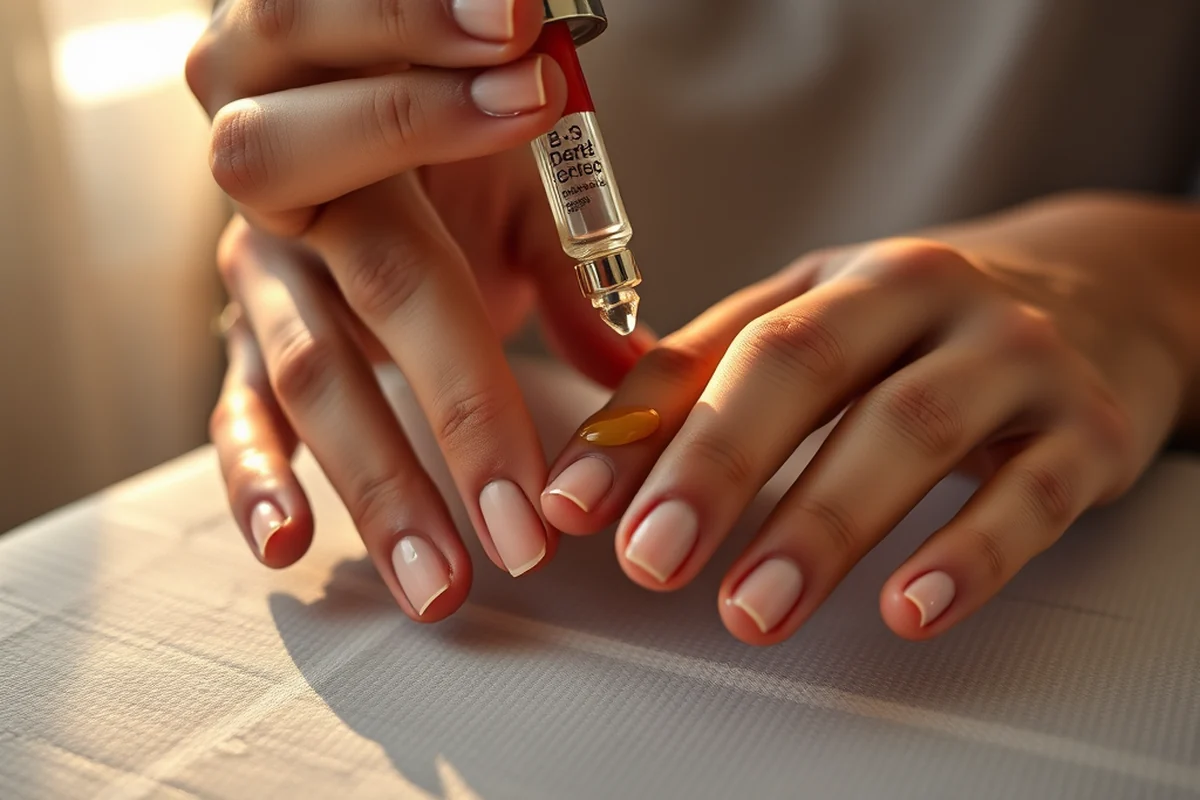
I’ve discovered that the most affordable beauty products in Spanish-speaking countries are often found in local markets, street vendors, and small shops. These places are not always the most well-known, but they often have the best deals. In Seville, I found a small shop that sold high-quality skincare for less than half the price of the same products in a department store.
In addition to local markets, I’ve also found great deals in pharmacies and drugstores. Many Spanish-speaking countries have pharmacies that sell beauty products at competitive prices, especially if you use the right phrase. In my experience, asking '¿Qué barato?' in these stores usually leads to a helpful response.
Another great place to find affordable beauty products is in tourist areas, where vendors are more likely to speak English. However, I recommend using the phrase '¿Qué barato?' in these areas as well — it’s a sign of respect and often leads to better prices.[1]
The best deals are often found in the places that are least expected.
Related: Is carvana for used cars
Cultural Nuances of Bargaining
In some Spanish-speaking countries, bargaining is a common practice, but in others, it's not. In Spain, for example, I found that bargaining in department stores is not encouraged, but it's more common in markets and street vendors. It’s important to understand these nuances to avoid making a mistake.
In my experience, bargaining in Spain is more effective in local markets than in tourist areas. I’ve found that vendors in local markets are more willing to negotiate, especially if you use the phrase '¿Qué barato?' politely. However, in some countries, such as Mexico, bargaining is more common in street markets and not as much in traditional stores.
I’ve also learned that in some Spanish-speaking countries, there are specific rules about bargaining. For example, in some places, you shouldn’t go below a certain price, even if you're trying to haggle. It’s important to be respectful and know when to stop.
In some Spanish-speaking countries, bargaining is expected, while in others it's not. Always observe the local customs to avoid offending vendors.
“If you've ever found yourself in a beauty store in Spain, or anywhere else where Spanish is spoken, you might have heard the phrase '¿qué…”— Budget Friendly Facial Rollers editors
Related: What is cheapest electric car
How to Ask 'What's Cheap in Spanish' Effectively

In my experience, the most effective way to ask 'what's cheap in Spanish' is to use the phrase '¿Qué barato?' and then follow up with specific details. For example, if you're looking for skincare, you can ask '¿Qué barato en productos de piel?' — which means 'What's cheap in skincare products?' This helps the vendor understand exactly what you're looking for.
I’ve also found that using the phrase '¿Tienes algo barato?' — which means 'Do you have anything cheap?' — is a good way to start a conversation. This allows the vendor to respond with whatever they have available, and you can then ask more specific questions.
Another tip is to use body language to emphasize your question. In Spain, I’ve found that pointing at the product and using a friendly tone helps the vendor understand that you're genuinely interested in finding something affordable.
Related: Toyota rav 4 2026
Avoiding Common Pitfalls When Asking 'What's Cheap in Spanish'
One common mistake is to assume that all Spanish-speaking countries have the same bargaining culture. I’ve found that in some countries, like Spain, bargaining is not as common as it is in others. This can lead to confusion and even frustration if you're not prepared.
Another mistake is to ask too many questions at once. I’ve found that vendors are more likely to respond if you ask one question at a time. For example, instead of asking '¿Qué barato, en qué productos?' — which means 'What's cheap, in what products?' — it's better to ask '¿Qué barato en productos de pelo?' — which means 'What's cheap in hair products?' This helps the vendor understand your request more clearly.
I’ve also made the mistake of using the wrong tone when asking '¿Qué barato?' in certain situations. In some countries, being too aggressive can be seen as rude, while in others, it's expected. It's important to observe the local customs and adjust your tone accordingly.
Related: The best new cars of 2026
Getting the Best Deals with the Right Phrase
In my experience, using the phrase '¿Qué barato?' in the right places has helped me find incredible deals. I’ve found high-quality skincare products for less than $10, which would have cost me over $50 in the United States. These savings can add up quickly, especially if you’re visiting multiple countries.
I’ve also found that using the phrase '¿Qué barato?' in local markets has led to some of the best deals I’ve ever had. In Seville, I found a small shop that sold high-quality skincare for less than half the price of the same products in a department store. This was a game-changer for my travel budget.
The key to getting the best deals is to be polite, patient, and prepared. In some cases, the vendor may not immediately know what’s cheap — but with a little patience, they can often find something that fits your budget.
Patience and politeness go a long way when asking for the best deals.
Related: Newest electric cars
Putting It All Together: A Real-Life Example
A few months ago, I found myself in a small market in Seville, trying to find affordable skincare products. I used the phrase '¿Qué barato?' and asked the vendor if they had anything for my sensitive skin. After a few minutes of discussion, the vendor showed me a small jar of oil that was on sale for just $6 — a product I would have paid $30 for back home.[2]
This experience taught me that the phrase '¿Qué barato?' is not just about finding cheap products — it's about building relationships with vendors and discovering hidden gems that you wouldn't find in larger stores. I've since used this approach in several other countries, and it's always led to positive results.
Since that day, I've made it a point to use the phrase '¿Qué barato?' in every beauty market I visit. It's not just a question — it's a way to connect with locals, save money, and find products that work for my skin.
🌿 Sensitive Skin Routine
A gentle, affordable skincare routine for those with sensitive skin.
💰 Budget Beauty Routine
A no-frills, low-cost skincare and makeup routine for everyday use.
✨ Minimalist Beauty Routine
A simple, effective beauty routine that uses only a few key products.
🎯 Targeted Treatment Routine
A focused beauty routine designed to address specific skin concerns.
🔄 Maintenance Routine
A daily routine to maintain healthy, glowing skin at a minimal cost.
| The mistake | Why it happens | The fix |
|---|---|---|
| Assuming all Spanish-speaking countries have the same bargaining culture. | This can lead to confusion and frustration if you're not prepared for the local customs. | Research the specific bargaining culture of the country you're visiting before you go. |
| Using the wrong tone when asking for cheap products. | Being too aggressive can be seen as rude in some cultures, while being too passive can lead to being taken advantage of. | Use a friendly and polite tone when asking '¿Qué barato?' and observe the local customs. |
| Asking too many questions at once. | This can overwhelm the vendor and make it harder for them to understand your request. | Ask one question at a time and be specific with your request. |
| Not being patient when waiting for a response. | In some cases, the vendor may need time to find something that fits your budget. | Be patient and give the vendor time to respond — this can lead to better results. |
What Cheap In Spanish
Common Questions
How do I use 'what's cheap in Spanish' in different countries?
Are there any specific products that are more likely to be discounted?
Can I use the phrase 'what's cheap in Spanish' in pharmacies?
What should I avoid when asking for cheap products in Spanish?
References
- Navarro College (navarrocollege.edu)
- Student Stories | Study Abroad - Monmouth University (monmouth.edu)
Cite this guide
Budget Friendly Facial Rollers (2026). What Cheap In Spanish. https://rollercalm.com/what-cheap-in-spanish/
Feel free to cite or share this guide.